Revolutionizing Tooling Techniques with Advanced Workholding Solutions
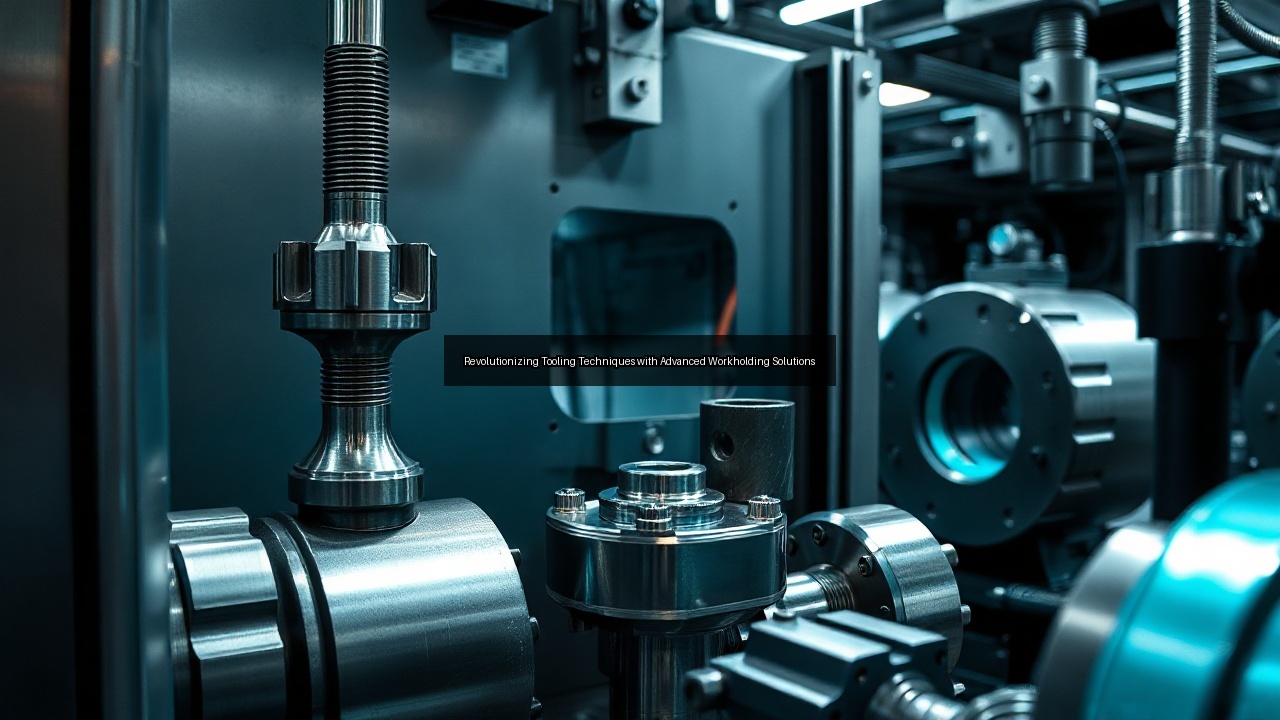
The Importance of Workholding Fixtures in Modern Manufacturing
Enhancing Accuracy in CNC Machining
Workholding fixtures play a crucial role in ensuring accuracy during CNC machining processes. These fixtures securely hold the workpiece in place, eliminating any movement that could lead to dimensional inaccuracies. In industries such as aerospace and automotive manufacturing, precision is non-negotiable. A slight misalignment can result in costly errors or defective products. By employing high-quality workholding fixtures, manufacturers can maintain tight tolerances, ensuring that every part produced meets strict specifications. This accuracy not only improves product quality but also enhances overall operational efficiency, reducing the need for rework and scrap, which ultimately lowers production costs.
Moreover, the integration of workholding fixtures with advanced CNC technology allows for real-time monitoring and adjustments. This capability means that manufacturers can detect deviations from specifications during the machining process, allowing for immediate corrective actions. The cumulative effect of these advancements translates into higher reliability and trustworthiness of the products being manufactured, fostering customer loyalty and satisfaction.
The Role of Workholding in Metal Working
In metal working, effective workholding is integral to the success of various machining operations, including milling, drilling, and fabrication processes. The right workholding solutions secure the workpiece, allowing for consistent cutting and machining without vibration or shifting. For example, during milling operations, an unstable workpiece can lead to tool wear, reduced surface finish, and increased cycle times. Workholding fixtures designed specifically for metal working applications can accommodate different geometries and materials, providing versatility and reliability. As manufacturers strive for higher productivity, investing in advanced workholding tools that cater to specific metal working tasks becomes imperative.
Furthermore, specialized fixtures can be designed for complex geometries or composite materials, which are becoming increasingly common in modern manufacturing. These tailored solutions not only enhance the machinability of challenging materials but also contribute to improved safety during operations, as securely held workpieces mitigate the risks associated with tool breakage and sudden shifts. The evolution of custom workholding solutions represents a significant step in addressing the unique challenges faced within the metalworking industry.
Optimizing Workflow with Advanced Tools
Advanced workholding solutions significantly optimize workflow within manufacturing environments. By integrating technology, such as hydraulic and vacuum systems, manufacturers can streamline their operations. For instance, hydraulic fixtures provide strong clamping force, ensuring that even heavy workpieces remain stable during machining. Similarly, vacuum workholding systems can quickly and efficiently secure flat, non-porous materials, enhancing throughput. These tools not only reduce setup times but also facilitate quick changes between different workpieces, minimizing downtime. Overall, improved workflow leads to enhanced productivity, allowing manufacturers to meet customer demands swiftly and efficiently while maintaining high standards of quality.
The introduction of modular workholding systems further enhances workflow optimization. These systems allow for the quick interchange of components and fixtures, catering to varying production needs without extensive downtime. The ability to adapt to different workpiece sizes and shapes quickly ensures that manufacturers remain agile and responsive to market changes, fostering a competitive edge in the ever-evolving manufacturing landscape.
Innovative Workholding Solutions for Increased Efficiency
Hydraulic and Vacuum Workholding Technologies
Hydraulic and vacuum workholding technologies have revolutionized the way manufacturers approach tooling and machining processes. Hydraulic fixtures utilize liquid pressure to create a secure grip on the workpiece, making them ideal for heavy-duty applications where stability is paramount. These systems can be adjusted easily, providing flexibility for different workpiece sizes and shapes. On the other hand, vacuum workholding solutions use suction to hold down lightweight or irregularly shaped components. This technology is particularly beneficial for industries that work with delicate materials or need to maintain a clean work environment. Both hydraulic and vacuum systems allow for faster setups and reduced cycle times, contributing to overall operational efficiency and productivity.
In addition to their efficiency benefits, hydraulic and vacuum systems are increasingly being designed with user-friendly interfaces that allow operators to adjust settings quickly and intuitively. This ease of use is essential in fast-paced environments where time is of the essence. Moreover, as manufacturers embrace Industry 4.0 principles, these workholding technologies can be integrated with IoT sensors that provide data analytics on clamping force, stability, and overall performance, leading to informed decision-making and proactive maintenance strategies.
Automation in Workholding Systems
Automation is rapidly transforming workholding systems, enabling manufacturers to achieve higher levels of efficiency and precision. Automated workholding solutions can integrate seamlessly with CNC machine tools, allowing for real-time adjustments based on machining conditions. This adaptability ensures optimal clamping forces and reduces the risk of workpiece movement during machining. Additionally, automated systems can minimize manual intervention, reducing labor costs and human error. As manufacturers increasingly adopt automation technologies, they gain the ability to run machines unattended for extended periods, maximizing production capabilities while maintaining consistent quality. The integration of automation in workholding systems exemplifies how technology can enhance traditional manufacturing processes.
Furthermore, the trend toward collaborative robots (cobots) in manufacturing settings is reshaping the landscape of workholding. Cobots can assist in the setup and adjustment of workholding systems, providing a flexible workforce that can be deployed across various tasks. This adaptability not only increases productivity but also allows for a more ergonomic approach to manufacturing, reducing the physical strain on human operators.
Design Considerations for Jigs and Fixtures
When developing workholding fixtures, thoughtful design considerations are essential to maximize functionality and efficiency. Jigs and fixtures must accommodate specific machining processes, ensuring that they provide adequate support and stability for the workpiece. Factors such as material selection, weight distribution, and clamping mechanisms all influence the performance of workholding tools. For example, a well-designed jig can simplify the assembly process, reduce setup times, and improve accuracy. Furthermore, manufacturers must consider the ease of use and adaptability of fixtures to handle various components.
Investing in innovative design leads to more effective workholding solutions, ultimately enhancing the overall machining experience. Additionally, the use of simulation software during the design phase can help in predicting potential issues and optimizing fixture geometry before physical prototypes are manufactured. This approach not only saves time and resources but also encourages the exploration of new design concepts that may lead to breakthrough innovations in workholding technology.
Cost-Effective Workholding: Balancing Speed and Precision
Pricing Strategies for Workholding Fixtures
Developing pricing strategies for workholding fixtures requires a careful analysis of several factors. Manufacturers must consider the initial investment in fixtures, including materials, design, and production costs. Additionally, they should assess the long-term value of their workholding solutions. High-quality fixtures that enhance accuracy and efficiency can lead to significant savings over time through reduced scrap rates and improved production speeds. Offering tiered pricing based on functionality and material can attract a broader range of customers, from small businesses to large manufacturers. Ultimately, pricing strategies should reflect the balance between affordability and the undeniable benefits that advanced workholding fixtures bring to the machining process.
Moreover, manufacturers can benefit from educating customers on the total cost of ownership (TCO) associated with workholding fixtures. By highlighting the potential long-term savings achieved through improved efficiency and reduced waste, manufacturers can justify premium pricing for high-quality solutions. This educational approach not only fosters customer loyalty but also positions manufacturers as thought leaders in the industry.
Assessing the Cost of Automation in Tooling
Automation in tooling, particularly in workholding systems, presents both opportunities and challenges in terms of costs. While the initial investment in automated fixtures may seem high, the potential for increased productivity and reduced labor costs often justifies the expenditure. Automated systems can operate with minimal human intervention, allowing manufacturers to allocate labor resources more efficiently. When assessing the cost of automation, companies must consider the return on investment (ROI) over time. Factors such as increased production rates, reduced cycle times, and improved overall quality play a significant role in determining the financial viability of automated workholding solutions. A thorough analysis of these costs can lead to informed decision-making and strategic investments in technology.
Additionally, the long-term maintenance costs associated with automated systems should not be overlooked. Regular servicing and potential upgrades to software or hardware can impact the overall financial picture. Manufacturers should build a comprehensive maintenance plan into their budgeting process to ensure that the benefits of automation continue to outweigh the costs over time.
Impact of Advanced Workholding on Manufacturing Costs
Advanced workholding solutions have a profound impact on overall manufacturing costs. By improving accuracy and minimizing errors, these fixtures help reduce waste and rework, leading to significant cost savings. Additionally, faster setup times and increased machining speeds contribute to lower labor costs and enhanced throughput. Manufacturers often find that the initial investment in high-quality workholding fixtures pays off through improved operational efficiency and product quality. Moreover, embracing innovative technologies like hydraulic and vacuum systems can lead to a competitive advantage in the marketplace. As manufacturers continue to seek ways to optimize their production processes, the role of advanced workholding solutions becomes increasingly critical in driving profitability and sustainability.
As the manufacturing landscape evolves, the demand for more sophisticated workholding solutions will only grow. Companies that prioritize investment in advanced workholding technologies not only position themselves for immediate operational improvements but also for future growth opportunities. By fostering an environment of continuous improvement and innovation in workholding practices, manufacturers can ensure they remain at the forefront of their industries, ready to tackle the challenges of tomorrow.
See Also
- Unlocking Precision in CNC Machining with Advanced Workholding Fixtures
- The Cost of Quality: Investing in High-Performance Workholding Fixtures
- Mastering the Art of Workholding Solutions for Drilling Operations
- The Intersection of Workholding Technology and Manufacturing Efficiency
- Comparing Workholding Systems for Different Machining Techniques