Infrared Inspections A Cost-Effective Approach to Motor Maintenance
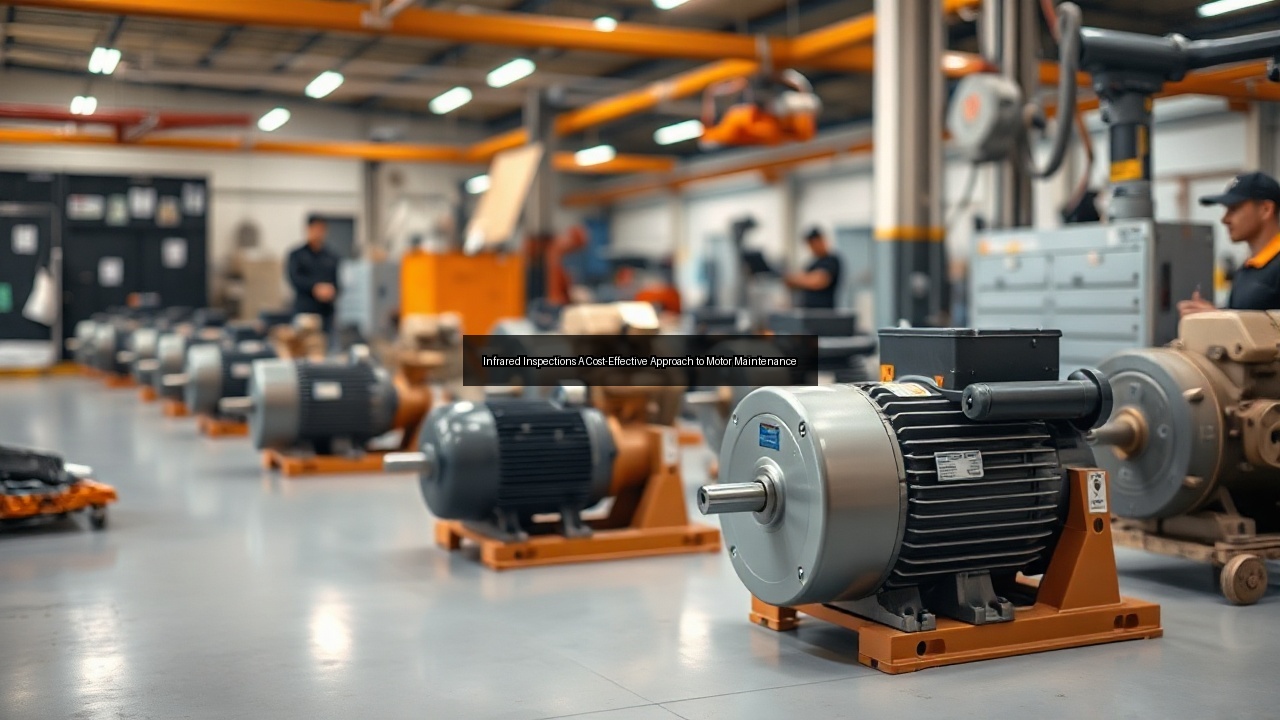
Understanding Infrared Inspections in Motor Maintenance
What is Infrared Inspection?
Infrared inspection uses thermal imaging cameras to detect heat patterns across operating motors. Technicians scan surfaces without contact and spot temperature variations that signal underlying issues. This non-invasive method reveals problems in electric motor components during normal operation. Companies schedule regular scans to monitor conditions and track changes over time. The technology converts invisible infrared radiation into visible images that highlight anomalies clearly. Operators review these images to decide on targeted interventions before breakdowns occur. Infrared tools integrate easily into routine checks and support data-driven decisions on motor health.
Electric motor repair costs drop when teams catch problems early through consistent infrared scans. Heat signatures often point to friction, overload, or imbalance long before audible or visual signs appear. Maintenance crews document baseline temperatures and compare future readings to identify trends quickly. This approach replaces guesswork with precise thermal data that guides repairs efficiently.
Benefits of Infrared Technology for Electric Motors
Infrared technology delivers clear advantages for electric motor upkeep by catching overheating in stators, rotors, and connections. Teams reduce unexpected downtime because scans occur while motors run at full load. Facilities avoid the high price of emergency electric motor repair services when they address issues during planned outages. Energy efficiency improves as corrected hot spots lower resistance and cut wasted power. The method supports predictive maintenance programs that extend motor life and stabilize budgets.
Operators gain detailed reports that show exactly where voltage imbalances or insulation breakdowns develop. This precision keeps repair costs predictable and prevents cascading failures in connected equipment. Infrared inspections also verify fixes after service work, confirming temperatures return to normal ranges. Overall, plants experience fewer production interruptions and stronger reliability metrics across their motor fleets.
How Infrared Inspections Work
Technicians prepare by ensuring motors reach steady operating temperature before scanning. They position infrared cameras at safe distances and capture thermal images of housings, terminal boxes, and couplings. Software highlights temperature differences that exceed set thresholds, flagging areas for closer examination. Analysts review the data alongside load readings and vibration records to pinpoint root causes. Follow-up checks focus on suspect zones such as bearing housings or stator windings.
Modern cameras store images with metadata that includes time, date, and ambient conditions for accurate trend analysis. Teams upload results into maintenance software that tracks each motor across multiple inspection cycles. When readings show rising heat near a VFD output or rotor bar, crews schedule targeted interventions. This workflow turns raw thermal data into actionable maintenance plans that control electric motor repair costs effectively.
The Role of Infrared Inspections in Reducing Repair Costs
Identifying Potential Failures Before They Occur
Infrared inspections locate developing faults in motors well before they cause shutdowns. Hot spots on stator laminations or rotor bars often indicate loose connections or insulation degradation. Early detection allows crews to tighten terminals or re-varnish windings during scheduled downtime instead of facing catastrophic failure. Plants avoid the steep electric motor repair costs associated with full rewinds or replacements by acting on thermal warnings promptly.
Sensors mounted near critical motors feed continuous data that complements periodic infrared scans. When temperatures climb steadily, teams investigate load conditions or alignment issues immediately. This proactive stance prevents contamination from entering weakened insulation and keeps efficiency high. Documented cases show facilities cutting unplanned outages by more than half after implementing regular infrared routes.
Cost-Effectiveness of Predictive Maintenance
Predictive maintenance driven by infrared data proves far more economical than run-to-failure strategies. Facilities budget smaller amounts for planned inspections and minor corrections instead of large emergency repair bills. Infrared scans require minimal labor and produce immediate visual evidence that justifies repair decisions to management. The resulting lower electric motor repair costs free capital for other operational improvements.
Companies track return on investment by comparing inspection expenses against avoided downtime and parts costs. Predictive programs using infrared typically pay for themselves within the first year through reduced failure rates. Teams also optimize spare parts inventory because they know which motors need attention soon. This disciplined approach stabilizes maintenance budgets across multiple production lines.
Impact on Overall Electric Motor Repair Costs
Infrared inspections directly lower overall electric motor repair costs by shifting work from reactive to planned activities. Facilities report 30 to 50 percent reductions in major repair expenses after adopting thermal monitoring. Early fixes on rotors or stators cost far less than complete motor replacements triggered by sudden breakdowns. Warranty claims also fare better when documented inspection records demonstrate proper care.
Maintenance managers use infrared findings to negotiate better service contracts with repair shops. They provide thermal evidence that supports targeted repairs rather than blanket overhauls. Over time, the cumulative savings from fewer failures and extended motor life improve cash flow. Plants that combine infrared with other diagnostics achieve the lowest long-term electric motor repair costs in their industries.
Key Components of Electric Motors and Their Maintenance
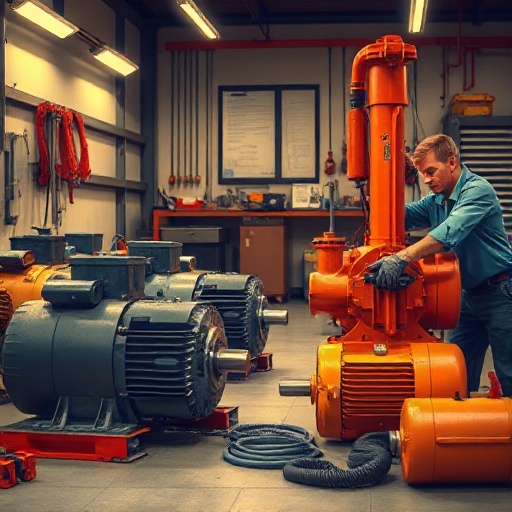
Stator and Rotor: Components Under Infrared Scrutiny
The stator and rotor generate the magnetic fields that drive motor rotation, and both receive close attention during infrared inspections. Temperature differences across stator windings often reveal shorted coils or poor connections. Rotor bar heating shows up as periodic hot spots that correlate with slip frequency. Technicians capture images at various load levels to confirm these patterns and prioritize repairs.
Addressing stator or rotor issues early prevents damage from spreading to adjacent insulation or bearings. Repair shops use infrared data to focus their efforts and keep electric motor repair costs contained. Regular scans also verify that VPI treatments and varnish applications restored even temperature distribution after service. This focused monitoring protects the most expensive motor components and supports reliable operation.
Importance of Insulation and Voltage Monitoring
Insulation condition directly affects motor efficiency and safety, and infrared inspections highlight areas where voltage stress causes localized heating. Technicians compare phase-to-phase temperatures to detect imbalance that accelerates insulation aging. Corrective actions such as tightening connections or improving cooling keep insulation within safe temperature limits and extend service life.
Facilities combine infrared results with periodic insulation resistance tests to build complete health profiles for each motor. When voltage irregularities appear on thermal images, crews investigate VFD settings or supply quality before problems escalate. This integrated approach reduces the frequency and severity of insulation failures that drive up electric motor repair costs. Consistent monitoring also supports warranty compliance by documenting operating conditions.
Contamination Risks and Their Effects on Efficiency
Contamination from dust, moisture, or process materials degrades motor efficiency by blocking cooling paths and increasing friction. Infrared scans reveal blocked vents or coated surfaces through elevated housing temperatures. Maintenance teams schedule cleaning or filtration upgrades when thermal patterns indicate restricted airflow around the stator or rotor.
Unchecked contamination leads to overheating that shortens insulation life and raises electric motor repair costs. Plants protect motors in harsh environments with sealed enclosures and regular infrared checks that confirm cooling performance. Early identification of contamination hotspots allows targeted cleaning rather than full motor disassembly. This practice maintains peak efficiency and protects budgets allocated for motor upkeep.
Integrating Infrared Inspections with Other Maintenance Strategies
Combining Infrared with VPI and Varnish Techniques
Technicians apply VPI and varnish treatments to restore insulation integrity after detecting thermal anomalies. Post-treatment infrared scans confirm that new varnish layers eliminated hot spots in stator windings. This combination validates repair quality and ensures motors return to service with restored efficiency. Facilities document temperature improvements to justify the investment in these specialized processes.
Infrared data also guides decisions on whether a motor needs full VPI or localized varnish touch-ups. Targeted applications reduce material costs while still addressing the root thermal issues. Maintenance teams track results over multiple cycles to refine treatment intervals. The synergy between infrared inspections and these insulation methods delivers measurable reductions in future electric motor repair costs.
Using Infrared for HVAC System Maintenance
HVAC systems rely on motors that benefit equally from infrared inspections. Technicians scan blower motors, condenser fans, and pump drives to locate overheating bearings or imbalanced impellers. Early detection prevents comfort complaints and avoids costly emergency replacements in commercial buildings. Thermal images help prioritize which HVAC motors receive attention during limited maintenance windows.
Facilities integrate HVAC motor scans into broader building management programs. Consistent infrared monitoring supports energy efficiency goals by keeping motors operating at designed temperatures. Reduced repair frequency lowers overall maintenance budgets and extends equipment life. Building operators appreciate the non-disruptive nature of infrared checks that occur during occupied hours.
The Role of Sensors in Predictive Maintenance
Sensors provide continuous temperature, vibration, and current data that enhance periodic infrared inspections. When a sensor flags rising heat near a rotor or stator, teams schedule an immediate thermal scan for confirmation. This layered approach catches developing faults faster than either method alone. Integrated systems feed data into dashboards that alert maintenance staff to anomalies in real time.
Facilities use sensor networks to automate some inspection triggers, freeing technicians for higher-value analysis. The combined dataset improves accuracy when predicting remaining motor life and planning capital budgets. Lower electric motor repair costs result from fewer surprise failures and more strategic repair timing. Sensor-driven programs also generate the documentation needed for warranty claims and insurance requirements.
Budgeting for Infrared Inspections and Maintenance
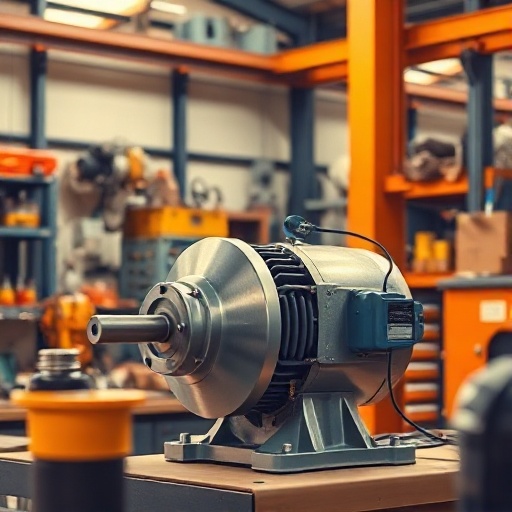
Estimating Costs: Infrared vs. Traditional Methods
Infrared inspections carry lower price tags than traditional shutdown inspections that require motor disassembly. A typical scan costs a fraction of the labor and parts involved in full teardown evaluations. Facilities compare these modest expenses against the high electric motor repair costs that follow undetected failures. Budget planners allocate funds for camera purchases or contracted services based on motor count and criticality.
Annual infrared programs scale according to equipment age and operating environment. Newer motors may need fewer scans while older units receive quarterly checks. This flexible approach keeps total maintenance spending predictable. Companies often recover the initial investment in infrared equipment within months through avoided repairs and improved uptime.
Warranty Considerations for Electric Motors
Proper infrared documentation strengthens warranty claims by proving regular monitoring and timely interventions. Manufacturers require evidence of preventive care before honoring coverage for stator or rotor failures. Facilities maintain digital records of thermal images and corrective actions to support these claims. Strong documentation reduces disputes and speeds reimbursement for qualifying repairs.
Maintenance teams review warranty terms when budgeting for inspections and note any required inspection frequencies. Infrared programs help motors stay within specified operating temperatures that preserve coverage. This proactive stance protects the original purchase price investment and avoids out-of-pocket expenses for covered components. Warranty compliance also builds credibility with insurers and auditors.
Long-Term Savings Through Improved Energy Efficiency
Corrected thermal issues identified by infrared inspections improve motor efficiency and reduce ongoing energy consumption. Lower operating temperatures decrease resistance losses and extend insulation life simultaneously. Facilities calculate payback periods by comparing reduced utility bills against inspection program costs. These savings compound over years as motors maintain peak performance longer.
Energy efficiency gains also support corporate sustainability targets and qualify for utility rebates in some regions. Managers track kilowatt-hour reductions tied directly to infrared-driven corrections. The resulting lower electric motor repair costs and energy expenses improve overall plant profitability. Long-term budget stability emerges when predictive programs replace reactive spending patterns across the motor fleet.
See Also
- Avoiding Contamination Costly Mistakes in Electric Motor Repairs
- Budgeting for Electric Motor Maintenance How to Avoid Surprise Expenses
- The Role of Voltage and Insulation in Electric Motor Repair Costs
- Unveiling the Hidden Costs of Electric Motor Repairs for Your Business
- Predictive Maintenance Strategies to Reduce Electric Motor Repair Expenses