The Impact of Market Research on Cosmetic Manufacturing Success
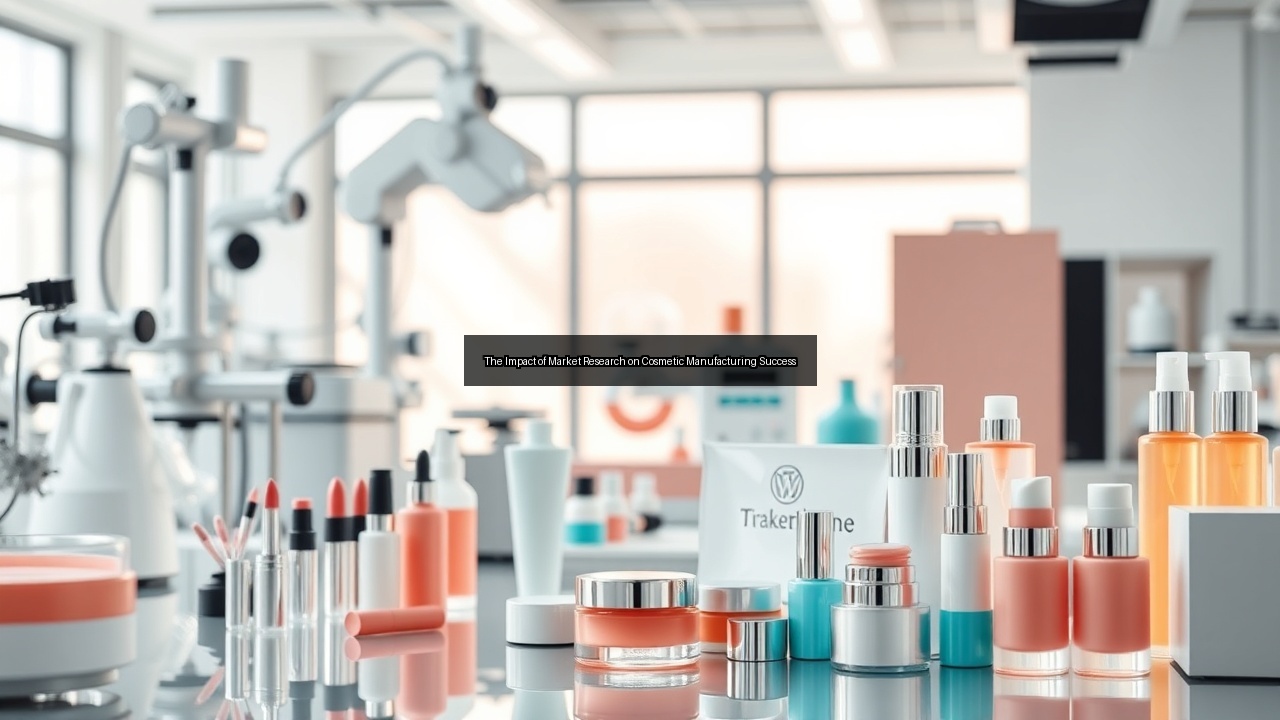
Understanding the Role of Market Research in Cosmetic Manufacturing
The Importance of Market Research in Cosmetics
Market research serves as the backbone of successful cosmetic manufacturing. By gathering insights into consumer preferences, brands can tailor their products to meet specific needs and desires. This research informs various aspects such as product formulation, marketing strategies, and even branding. Companies that invest in understanding their target audience enjoy a competitive edge in the saturated cosmetics market. They can identify what consumers are looking for in skincare and makeup products, whether that’s natural ingredients, sustainable packaging, or innovative formulations. Effective market research also helps brands recognize gaps in the market, allowing them to create unique offerings that resonate with consumers.
Moreover, market research can uncover demographic factors such as age, gender, and socioeconomic status that influence purchasing decisions. For example, younger consumers may prioritize trendy, Instagram-worthy products, while older demographics may seek efficacy and anti-aging benefits. By segmenting the target audience based on such criteria, brands can create more personalized marketing campaigns and product lines that cater to the specific desires and expectations of different consumer segments, enhancing overall market penetration.
Identifying Consumer Trends in Skincare and Makeup
Trends in skincare and makeup evolve rapidly, influenced by social media, celebrity endorsements, and emerging scientific research. Market research enables cosmetic manufacturers to stay ahead of these trends. For example, the rising demand for vegan and cruelty-free products has prompted many brands to reformulate their offerings accordingly. By analyzing consumer behavior, brands can identify which ingredients are gaining popularity and adjust their product lines to incorporate these elements. Additionally, understanding seasonal trends helps brands launch their products at the most opportune times, maximizing sales potential. This proactive approach not only enhances a brand’s reputation but also builds customer loyalty.
Another significant trend gaining traction is the interest in transparency and clean beauty. Consumers are increasingly looking for brands that provide clear ingredient lists and ethical sourcing practices. Market research can help brands gauge how much consumers value these factors, allowing them to develop messaging that aligns with these expectations. Additionally, the rise of influencer culture means that collaboration with social media personalities can significantly sway consumer opinions. By identifying which influencers resonate with their target market, brands can craft impactful marketing strategies that leverage these voices.
Evaluating Competitors: A Key Research Strategy
Competitor analysis is a crucial component of market research in the cosmetics industry. By studying rival brands, manufacturers can glean insights into successful strategies and potential pitfalls. This evaluation covers various aspects, including pricing, product offerings, marketing tactics, and customer engagement. Understanding how competitors position themselves can help brands differentiate their cosmetic products effectively. Furthermore, identifying the strengths and weaknesses of competitors allows brands to refine their own strategies, ensuring they meet consumer expectations more efficiently. A thorough competitive analysis can ultimately shape product development decisions, leading to more effective marketing and increased market share.
Additionally, understanding competitor marketing campaigns can provide valuable lessons in consumer engagement. By analyzing successful promotional strategies, such as loyalty programs or limited-time offers, brands can adapt these tactics to fit their unique positioning. Moreover, utilizing tools such as SWOT analysis (Strengths, Weaknesses, Opportunities, Threats) can provide a structured approach to assessing the competitive landscape, enabling brands to make informed decisions that enhance their market positioning.
How Market Research Influences Contract Manufacturing Decisions
Choosing the Right Contract Manufacturer
Selecting the appropriate contract manufacturer is vital for success in the cosmetics sector. Market research provides essential data that guides brands in this selection process. It helps identify manufacturers with experience in producing specific types of products, whether skincare, makeup, or cosmeceuticals. A thorough evaluation of potential partners should consider their production capabilities, quality assurance processes, and compliance with FDA regulations. Brands must also assess the contract manufacturer’s ability to scale production based on market demand. Insights gained from market research enable brands to choose a contract manufacturing partner that aligns with their quality standards and business objectives, ensuring the final cosmetic products meet consumer expectations.
Furthermore, engaging in discussions and assessments of potential manufacturers’ past performance, client testimonials, and case studies can provide deeper insights into their reliability and quality. Brands can also utilize market research to explore the geographical advantages of certain manufacturers, such as proximity to raw material suppliers or key markets, which can significantly lower logistics costs and lead times.
Aligning Manufacturing with Market Demands
Market research plays a crucial role in aligning manufacturing processes with ever-changing consumer demands. Understanding current trends enables cosmetic manufacturers to adjust their production strategies accordingly. For instance, if consumers show a preference for clean beauty products, manufacturers can focus on sourcing natural ingredients and minimizing harmful additives. By aligning manufacturing with market insights, brands can reduce time-to-market and optimize their supply chain logistics. This alignment also helps in managing costs effectively, as manufacturers can better predict quantities needed based on consumer interest. An agile manufacturing process, informed by market research, ensures that brands remain competitive and responsive to consumer needs.
Additionally, the ability to pivot quickly in response to market insights can lead to the development of limited-edition products or seasonal collections that capture consumer interest and drive sales. Brands that can efficiently adapt their manufacturing processes not only meet immediate consumer demand but also foster innovation, encouraging a culture of continuous improvement and responsiveness within their organizational structure.
The Role of Ingredients and Compliance with FDA Regulations
Ingredient selection is a critical factor in cosmetic manufacturing. Market research provides insights into consumer preferences regarding ingredients, such as the demand for organic, cruelty-free, or hypoallergenic options. Understanding these preferences allows manufacturers to formulate products that resonate with target demographics. Additionally, compliance with FDA regulations is non-negotiable in the cosmetics industry. Market research can reveal common compliance challenges faced by competitors, enabling brands to proactively address these issues. By ensuring that all ingredients meet safety standards and regulatory requirements, manufacturers can mitigate risks and build consumer trust in their cosmetic products. This commitment to safety and quality is vital for long-term success.
Moreover, manufacturers can leverage market research to devise educational content that informs consumers about ingredient safety, efficacy, and the science behind formulation choices. This transparency not only enhances consumer trust but also positions the brand as a thought leader in the industry, further solidifying its reputation and appeal.
Streamlining Production with Market Insights
Automation and Logistics in Cosmetic Manufacturing
Automation technology has transformed the landscape of cosmetic manufacturing. Market research highlights the benefits of automating certain production processes, such as filling, labeling, and packaging. By integrating automation, manufacturers can enhance efficiency, reduce labor costs, and minimize human error. Logistics also plays a significant role in streamlining production. Understanding market demand allows manufacturers to optimize their supply chain, ensuring timely delivery of ingredients and finished products. Efficient logistics reduce lead times and improve responsiveness to market changes. By leveraging automation and effective logistics, cosmetic brands can maintain high standards while meeting consumer demand swiftly and effectively.
Additionally, the integration of data analytics within automated systems can provide real-time insights into production performance, enabling manufacturers to make data-driven decisions that further enhance operational efficiency. By monitoring production metrics, manufacturers can identify bottlenecks, optimize workflows, and ensure adherence to quality standards, all of which are essential for maintaining a competitive edge in the dynamic cosmetics market.
Packaging Design: Meeting Consumer Expectations
Packaging design significantly influences consumer purchasing decisions in the cosmetics industry. Research shows that visually appealing, functional packaging can enhance brand perception and drive sales. Brands must stay attuned to consumer preferences for sustainable packaging options, as eco-consciousness continues to grow. Market research provides vital insights into design trends, helping brands develop packaging that not only protects the product but also aligns with consumer values. Additionally, packaging plays a role in ensuring product traceability and conformity. By incorporating features that allow consumers to verify the product’s authenticity and safety, brands build trust and loyalty, which are essential for long-term success.
Moreover, innovative packaging solutions, such as airless pumps and biodegradable materials, can set a brand apart in a crowded market. By investing in unique packaging that enhances usability and sustainability, brands can appeal to environmentally conscious consumers while also reducing waste. Conducting consumer testing on packaging prototypes can provide invaluable feedback, allowing brands to refine their designs before launch to ensure they meet expectations and maximize market impact.
Ensuring Traceability and Conformity in Production
In the cosmetics industry, traceability and conformity are crucial for maintaining quality and safety. Market research helps manufacturers understand the importance of these elements. Consumers increasingly demand transparency about where ingredients come from and how products are made. By implementing robust tracking systems, manufacturers can ensure that all components meet quality standards and regulatory requirements. This level of transparency builds consumer confidence and strengthens brand loyalty. Furthermore, effective traceability allows brands to respond swiftly in the event of a product recall or safety concern, protecting both the brand’s reputation and consumer safety. Emphasizing traceability and conformity leads to a more trustworthy and resilient cosmetic brand.
Additionally, brands can communicate their commitment to traceability through packaging and marketing materials, highlighting their adherence to ethical sourcing and production practices. This communication not only satisfies consumer demand for transparency but also aligns with broader industry trends toward sustainability and responsible manufacturing. As consumers increasingly prioritize ethical considerations in their purchasing decisions, brands that emphasize traceability can position themselves as leaders in corporate social responsibility within the cosmetics landscape.